
Biosentinel surveillance for emerging zoonotic disease assessment and modelling
Project overview
Biosentinel surveillance studies are among the most sensitive and timely ways of detecting emerging arthropod-borne disease. By using a citizen science approach, we can enable effective surveillance whilst empowering communities to contribute to early disease detection in areas that could impact them. Building from our previous tick-borne encephalitis virus (TBEV) deer biosentinel programme, we aim to look for evidence of potential mosquito-borne threats such as West Nile virus using wild birds, including gamebirds and waterfowl, as sentinel species.
Usutu virus and West Nile virus are potentially emerging diseases in the UK which are transmitted through the bite of an infected mosquito. Both of these diseases have been a growing concern to the UK in recent years. As of September 2026, there have been no cases of human disease from Usutu virus in the UK, but there has been a number of detections in wild and captive birds across southern and eastern counties of England. There is limited evidence that West Nile virus has entered the UK. However, there is a potential for infected migratory birds to travel into the UK via migratory flyways. Increased temperatures during the summer decreases the time it takes for infected mosquitos to become infectious and therefore increases the chances of them passing on the disease to humans, birds and horses through biting. The combination of the UK migratory flyway alongside annual summer temperatures increasing enhances the need for an early warning system to detect these viruses. Gamebirds, such as pheasants and partridge, are outside during the mosquito active periods and are susceptible to infection so offer a valuable opportunity to understand whether there is mosquito borne viruses circulating within the UK.
Blood samples will be screened using antibody tests that detect the evidence of past exposure to these viruses, and any positive detections will be followed up by enhanced mosquito surveillance in those areas. The samples collected will be stored to create an avian biobank, from which we will maximise its utility by investigating samples for further emerging pathogens.
How to take part
By taking a small blood sample from deceased gamebirds, waterfowl and any other birds that are legal quarry once they have been shot during the shooting season, you can contribute to an important national surveillance project that helps protect both animal and public health.
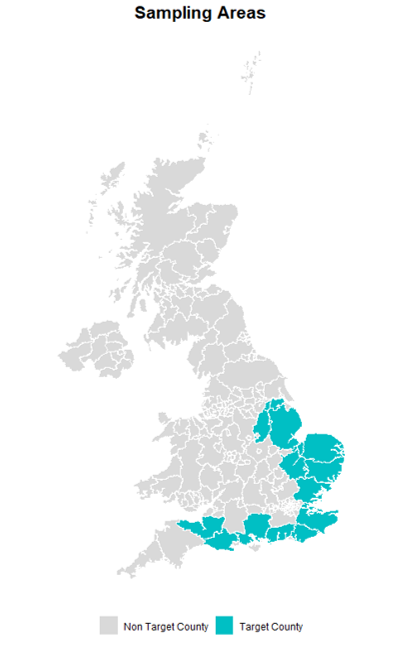
There are specific locations in the UK where there is a higher chance of detecting West Nile virus, or closely related Usutu virus, due to the temperature, mosquito habitat and presence of migratory bird flyways. Due to this we are currently asking for volunteers to provide samples from the shoots occurring in the East and South of England; our target locations are highlighted on the map. Please do pass on information about the study to other gamekeepers, estate owners or wildfowlers within these target areas to help the study grow and improve awareness within the community.
The video below shows how participants can take part in the study by taking samples from gamebirds and waterfowl once they have been shot during the relevant open seasons. For more information or if you are interested in taking part in this study please contact me at charlotte.tosdevin@ukhsa.gov.uk